The History of the Laurentia Continent
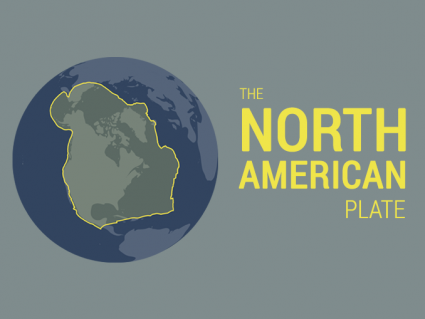
Laurentia, or the North American Craton, is the ancient geological core of North America. It’s been around for billions of years and still exists today. Here’s a brief overview of its history:
1. Formation and Early History (4.0 to 2.5 billion years ago)
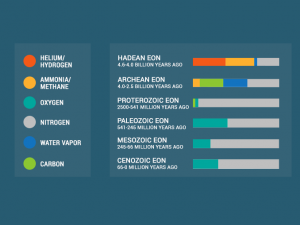
Earth was almost unrecognizable in the Hadean Era, over 4 billion years ago. Lava was flowing and the temperature was scorching.
But this period marked the earliest beginning of the Laurentia continent. Shortly after, the earliest continents began to form in the Archean Eon, over 4 billion years ago.
Now, we can find the oldest rocks in Canada, dating back to about 4.0 billion years. From here, the continent grew through a series of volcanic and tectonic activities. This includes the accretion of microcontinents and island arcs.
2. Rodinia Supercontinent (1.3 to 0.75 billion years ago)
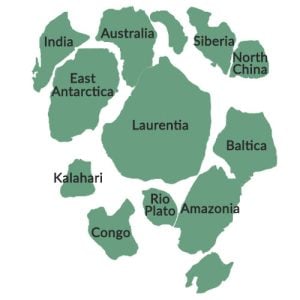
Laurentia belonged to the ancient supercontinent of Rodinia around 1.3 to 1.0 billion years ago. The Grenville Orogeny combined several landmasses with Laurentia. As a result, Laurentia’s geology changed a lot during this era.
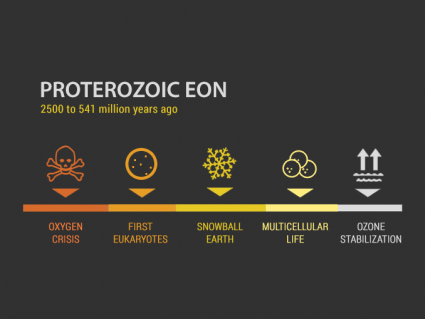
Occupying a central position in Rodinia, Laurentia was surrounded by other ancient cratons. This assembly altered the global climate and possibly contributed to the Snowball Earth events.
Eventually, around 750 to 600 million years ago, Rodinia began to break apart. Rifting and new oceans emerged, which affected the continent’s geological and biological evolution.
3. Pangea Supercontinent (335 to 175 million years ago)
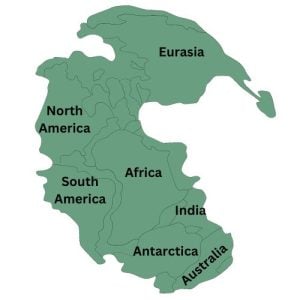
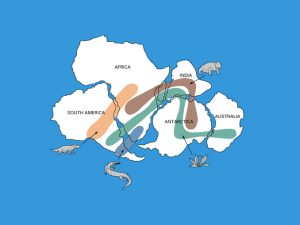
Around 335 million years ago, Laurentia was part of the Pangaea supercontinent. During this time, Laurentia collided with other land areas and created the Appalachian Mountains.
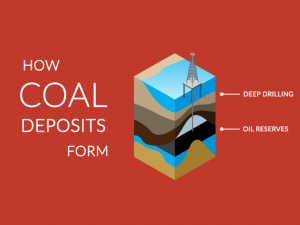
Laurentia was near the equator in Pangaea, so the climate was warm. It helped make coal but it also brought big climate changes. These changes were part of the largest mass extinction in history.
Pangaea started breaking up about 200 million years ago. This breakup shaped today’s North America. But it also started the creation of the Atlantic Ocean, one of our 5 oceans.
4. Mesozoic to Cenozoic Era (252 million years ago to present)
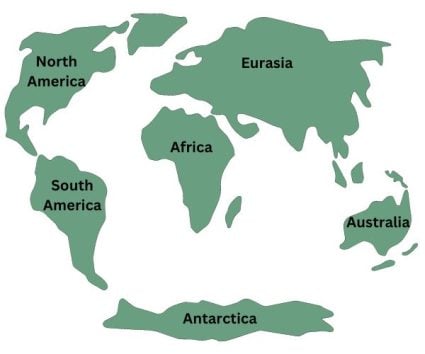
Following the breakup of Pangaea, Laurentia evolved into the current configuration of North America. This includes Canada, Greenland, and parts of the United States.
We know this because the oldest rocks in these areas match Laurentia’s age. Scientists trace these rocks by studying their age and composition.
They use methods like radiometric dating to find out how old the rocks are. The types of minerals in the rocks tell them about the rock’s history. By using these techniques, they can trace the rocks to ancient Laurentia.
The Laurentia Continent – North America Craton
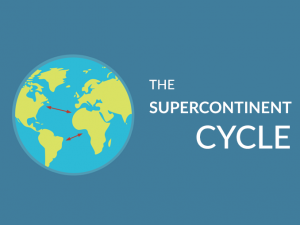
Laurentia is a very old part of the Earth that has persisted for billions of years through each supercontinental cycle.
Add you now know, it’s been through a lot. It’s been part of big supercontinents and mountain-building events.
Studying Laurentia helps us understand the Earth’s geologic history better. It’s a key piece in the puzzle of how North America came to be.
READ MORE: Reconstructing Rodinia (USGS)