Water Conservationist: Making Every Drop Count
What do water conservationists do?
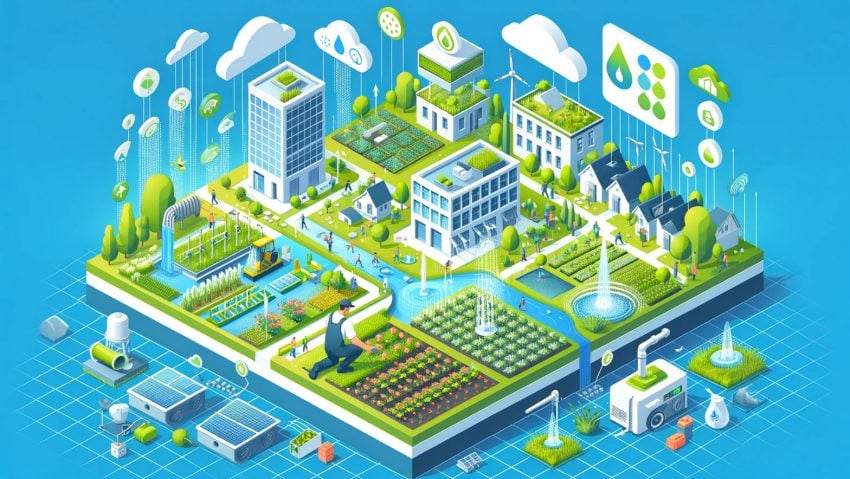
Water conservationists work hard to save water. They innovate, finding methods to reduce water use. For example, they introduce water-saving devices in homes and businesses.
They tackle big projects, like helping farms use less water with efficient irrigation. They study rainfall patterns to collect and reuse rainwater.
Additionally, they protect rivers and lakes from pollution, ensuring our water stays clean. Because of their efforts, we enjoy more clean water today and safeguard it for the future.
How much do water conservationists earn?
We’ve found water conservationist salaries to vary considerably by location and experience. In general, they can earn between $40,000 to $100,000 a year. But the average salary is $67,000.
Entry-level positions start at the lower end of that range. With more experience, their salary can go up. It also depends on where water conservationists work. For example, people working in big cities usually earn more because living costs are higher.
Government and private sector jobs might pay differently. Someone working for a nonprofit may earn less than someone in a corporate role. Overall, the pay of soil and water conservationists reflects the value they bring in saving water.
Guardians of the Blue
Why is water conservation important? Water conservation is key because water is a limited resource. While Earth looks blue from space, most of that water is salty and you can’t drink.
Water conservation keeps our rivers and forests healthy. Keeping rivers clean helps fish and other wildlife thrive. Healthy forests act like sponges, soaking up rainwater and reducing floods.
As our population grows, so does the need for water. Water conservationists find ways to use water wisely. This helps ensure water for future generations.
How does water conservation help the environment?
Water conservation helps the environment in many ways:
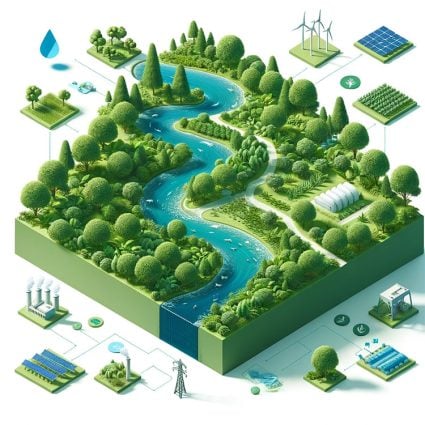
- Infrastructure: Conserving water reduces the need for new water infrastructure, which can disrupt natural habitats.
- Energy: By using less water, we lower the energy required for pumping and treatment, thus reducing pollution.
- Ecosystems: Saving water helps maintain ecosystem balance, supporting diverse plant and animal life.
- Biodiversity: Healthy rivers and lakes are crucial for biodiversity because they provide habitats for numerous species.
- Drought Prevention: Using water wisely means more remains in the environment, helping to prevent droughts.
- Conservation: Water conservation is key to protecting our planet and ensuring resources for future generations.
What are some examples of water conservation?
Here are some examples of the responsibilities of water conservationists:
- Research: Studying water usage and identifying conservation opportunities.
- Policy Development: Creating guidelines and policies to promote water conservation.
- Education: Teaching the public about ways to conserve water.
- Water Management: Planning and implementing strategies for efficient water use and distribution.
- Environmental Protection: Working to protect water sources from pollution and overuse.
- Technology Innovation: Developing new technologies or methods to reduce water consumption.
- Community Outreach: Engaging with communities to encourage water-saving practices.
- Consultation: Advising businesses and governments on water conservation strategies.
The career of a water conservationist
Water conservationists ensure our planet’s water resources are used wisely and sustainably. Through research, education, and innovative strategies, they help secure water for future generations.
Do you have any questions about soil and water conservationists? We’d love to hear from you in the comment section below.