What Is Biodiversity (Biological Diversity)?
Biodiversity or “biological diversity” refers to the variety or genetic diversity of species in an ecosystem. Ecosystems rely on biodiversity for resiliency.

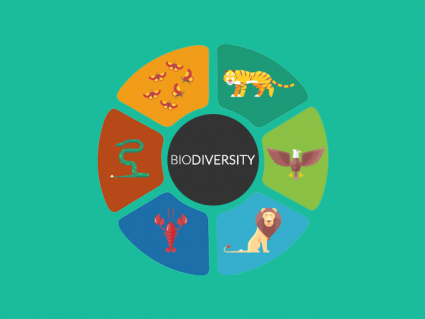
Biodiversity or “biological diversity” refers to the variety or genetic diversity of species in an ecosystem. Ecosystems rely on biodiversity for resiliency.
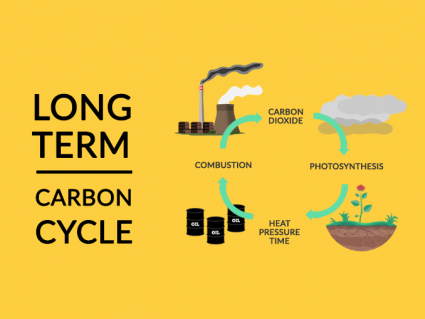
Carbon is re-purposed into fossil fuels in the long-term carbon cycle. The coal that we use today was produced millions of years ago from buried swamps.
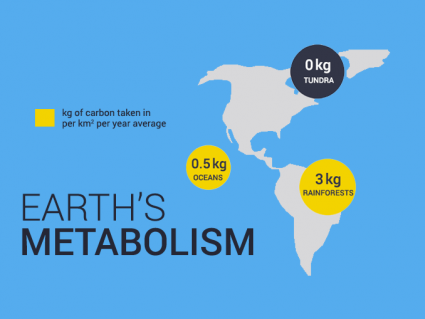
The Earth breathes. We gauge Earth net primary productivity by how much carbon dioxide plants absorb from the atmosphere minus how much it respires.
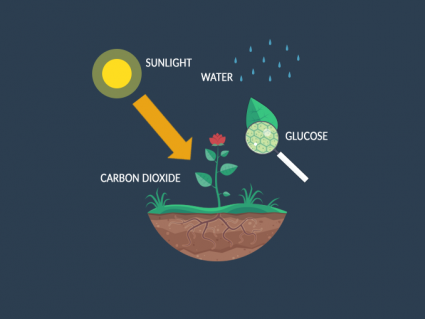
The main idea of photosynthesis is it takes carbon dioxide from the air. Then, it uses carbon with water to convert it into a chemical form like glucose
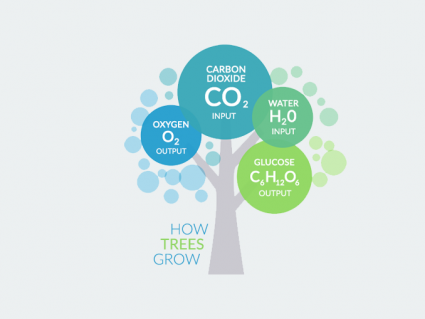
For the most part, trees growth is from carbon dioxide and rain water. So most of the dry mass of trees is made from the contents of the air and water.
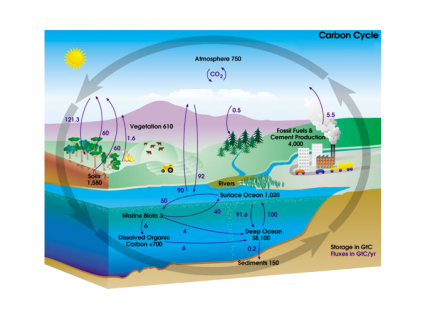
Carbon is essential for living things and making cars move. It takes up various forms through photosynthesis, decomposition, respiration and combustion.
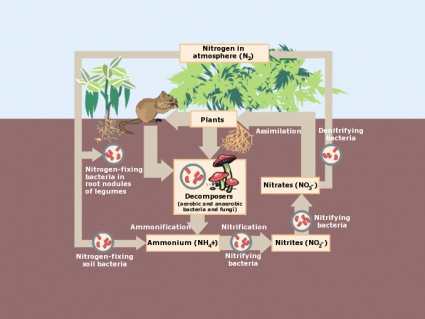
Nitrogen transforms into several different forms in the 4 steps of the nitrogen cycle – nitrogen fixing, decomposition, nitrification & denitrification.